April 22, 2026
Certified electricians play a pivotal role in maintaining the infrastructure that powers our modern world. From the lights in our homes to the machinery in factories, electricians ensure that electrical systems operate efficiently and safely. The path to certification is rigorous, requiring both academic and hands-on training. This journey equips electricians with the skills necessary to tackle a wide range of challenges. Let's explore the various stages of their training and experience to gain insight into the depth of knowledge that certified electricians possess.
Educational Background
The foundation of a certified electrician's expertise lies in their educational background. High school preparation plays a crucial role, with courses in mathematics, physics, and technical drawing providing a solid base. Many aspiring electricians also engage in vocational training programs that offer specialized instruction and practical experience. These programs often collaborate with local businesses and industries to provide students with real-world exposure. This combination of theoretical knowledge and practical skills sets the stage for further specialization in the field.
Apprenticeship opportunities are a critical component of an electrician's educational journey. According to This Old House, the most basic level of licensure is the apprentice electrician. An apprentice has completed their classroom work and about 8,000 hours of field training. This hands-on experience is invaluable, allowing apprentices to apply their knowledge under the guidance of experienced professionals. Through apprenticeships, electricians learn to navigate complex electrical systems, master the use of tools and equipment, and adhere to safety protocols.
Certification and licensure mark the culmination of an electrician's initial educational journey. These credentials are not merely formalities but attest to an individual's competence and readiness to work independently. Continuing education is essential for electricians to stay updated with technological advancements and changes in electrical codes. Many electricians engage in lifelong learning, attending workshops, and pursuing additional certifications to enhance their skills. This commitment to education ensures that certified electricians remain at the forefront of the industry.
Technical Skills Acquired
Certified electricians possess a comprehensive understanding of electrical systems, which is fundamental to their expertise. This includes knowledge of how electrical currents flow, the functioning of various components, and the integration of systems. Mastery of these concepts allows electricians to design, install, and maintain electrical systems effectively. Furthermore, electricians are trained to troubleshoot and resolve issues, ensuring the safety and reliability of electrical installations. This depth of understanding is what distinguishes certified electricians from those with less formal training.
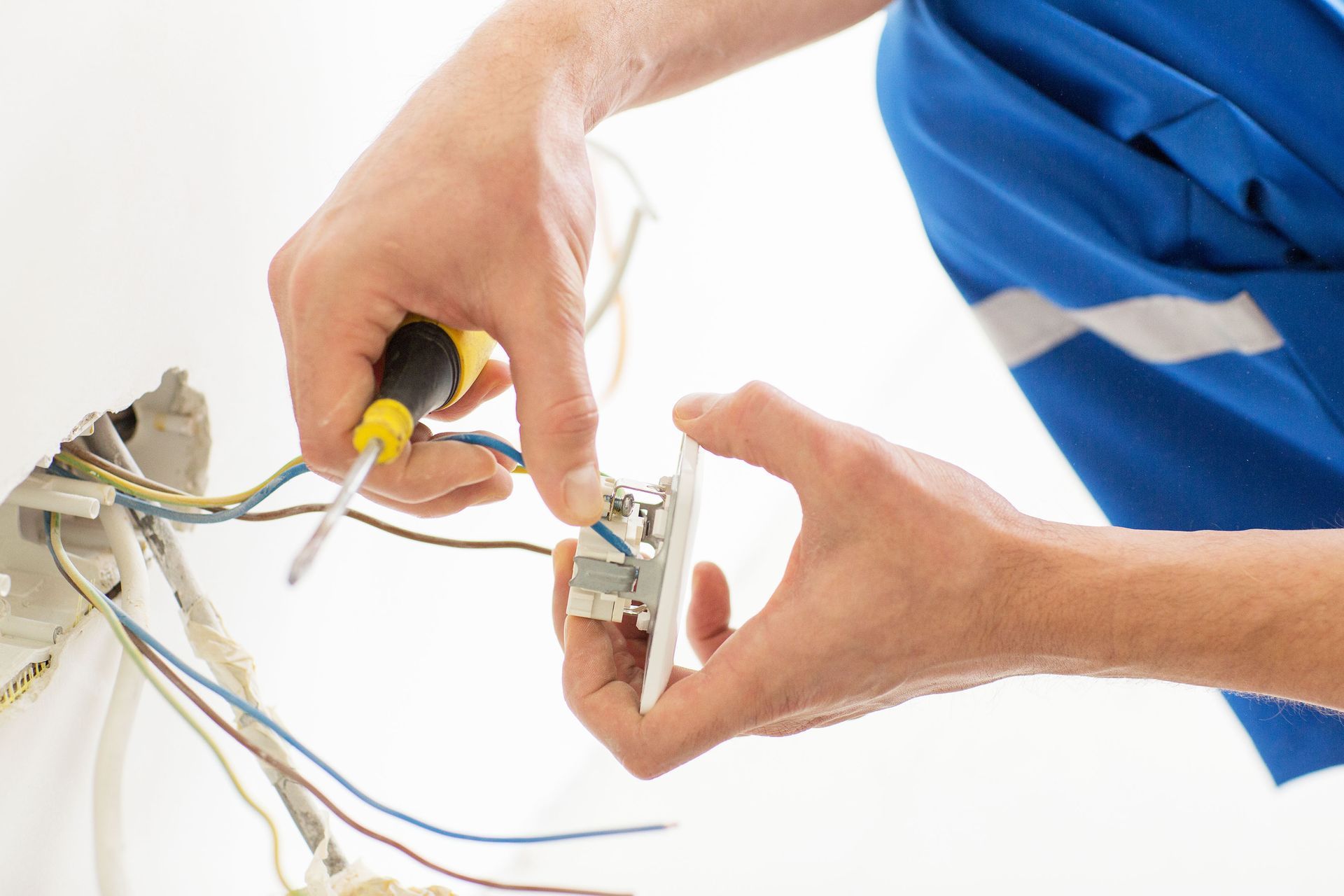
The mastery of tools and equipment is another crucial aspect of an electrician's skillset. Electricians must be adept at using a wide range of tools, from basic hand tools to sophisticated diagnostic equipment. The ability to use these tools safely and efficiently is essential for performing tasks such as wiring, circuit testing, and system installations. Electricians also adhere to strict safety protocols to protect themselves and others from electrical hazards. Their training ensures that they can identify potential risks and take appropriate measures to mitigate them.
Problem-solving techniques are a hallmark of a skilled electrician. Electricians are often called upon to diagnose and resolve complex issues within electrical systems. This requires not only technical knowledge but also critical thinking and analytical skills. Electricians must be able to identify the root cause of a problem, develop a solution, and implement it effectively. Additionally, electricians must be well-versed in electrical codes and regulations. This knowledge ensures that their work complies with legal standards and contributes to the overall safety and efficiency of electrical systems.
Hands-On Experience
Hands-on experience is a defining characteristic of a certified electrician's expertise. Residential projects provide electricians with the opportunity to apply their skills in real-world settings. This experience includes tasks such as wiring new homes, upgrading electrical panels, and installing lighting fixtures. Electricians must also be adept at troubleshooting issues in existing systems, ensuring that homes remain safe and functional. This practical experience is invaluable, allowing electricians to hone their skills and gain confidence in their abilities.
Commercial installations present a different set of challenges and opportunities for electricians. These projects often involve larger and more complex systems, requiring electricians to work collaboratively with other professionals. Electricians must be able to read and interpret blueprints, coordinate with contractors, and adhere to strict timelines. The ability to manage these tasks effectively is a testament to an electrician's organizational and communication skills. Through commercial work, electricians gain experience in a variety of settings, from office buildings to retail spaces.
Industrial electrical work involves even more complexity and specialization. Electricians working in industrial settings must be familiar with high-voltage systems, motor controls, and automation technologies. This work often requires electricians to operate in challenging environments, such as factories and power plants. Maintenance and repair are critical components of industrial work, as electricians must ensure that systems operate efficiently and safely. The diverse environments in which electricians work contribute to their adaptability and problem-solving abilities.
Specialization and Expertise
As certified electricians gain experience, many choose to specialize in specific areas of the field. Renewable energy systems, such as solar and wind power, are becoming increasingly popular. Electricians with expertise in these areas are in high demand, as they provide sustainable solutions for energy generation. Specializing in renewable energy requires additional training and certification, as these systems differ from traditional electrical systems. With this path, electricians contribute to the growing demand for green technologies and sustainable practices.
Smart home technologies represent another area of specialization for electricians. These systems integrate various technologies to enhance the convenience, security, and efficiency of homes. Electricians specializing in smart home technologies must be familiar with networking, automation, and control systems. This specialization requires electricians to stay updated with technological advancements and emerging trends. By embracing smart home technologies, electricians can offer innovative solutions that meet the evolving needs of homeowners.
Advanced power systems and high voltage expertise are critical for electricians working in industrial and commercial settings. These systems require a deep understanding of electrical theory and the ability to work with complex equipment. Electricians specializing in these areas often work on large-scale projects, such as power plants and industrial facilities. Their expertise ensures that these systems operate safely and efficiently, minimizing the risk of outages and equipment failure. Specializing in advanced power systems is a testament to an electrician's dedication to mastering their craft.
Professional Development and Networking
Professional development is essential for certified electricians to remain competitive and successful in their careers. Joining professional associations provides electricians with access to valuable resources, networking opportunities, and industry insights. These associations often offer workshops, seminars, and conferences that allow electricians to expand their knowledge and skills. By participating in these events, electricians can stay updated with industry trends and advancements. Networking with peers and industry leaders also opens doors to new opportunities and collaborations.
Attending workshops and conferences is another avenue for professional development. These events provide electricians with the opportunity to learn from experts, share experiences, and gain new perspectives. Workshops often focus on specific topics, such as new technologies, safety protocols, and regulatory changes. By engaging in continuous learning, electricians can enhance their expertise and remain competitive in the job market. Conferences, on the other hand, offer a platform for electricians to showcase their skills and innovations to a broader audience.
Mentorship and peer collaboration are invaluable for electricians seeking to grow professionally. Experienced electricians can provide guidance, share insights, and offer advice to those just starting in the field. Mentorship fosters a culture of learning and support, allowing electricians to develop their skills and confidence. Online learning and resources also play a significant role in professional development. Electricians can access a wealth of information, tutorials, and courses to further their education and stay current with industry advancements.
Certified electricians possess a vast range of knowledge and skills gained through education, hands-on experience, and continuous professional development. Their expertise not only ensures safety and efficiency but also provides multiple career pathways and opportunities for advancement. For residential or commercial electrical services, contact our team at AAA Electric Co Inc for a free estimate today!