September 22, 2026
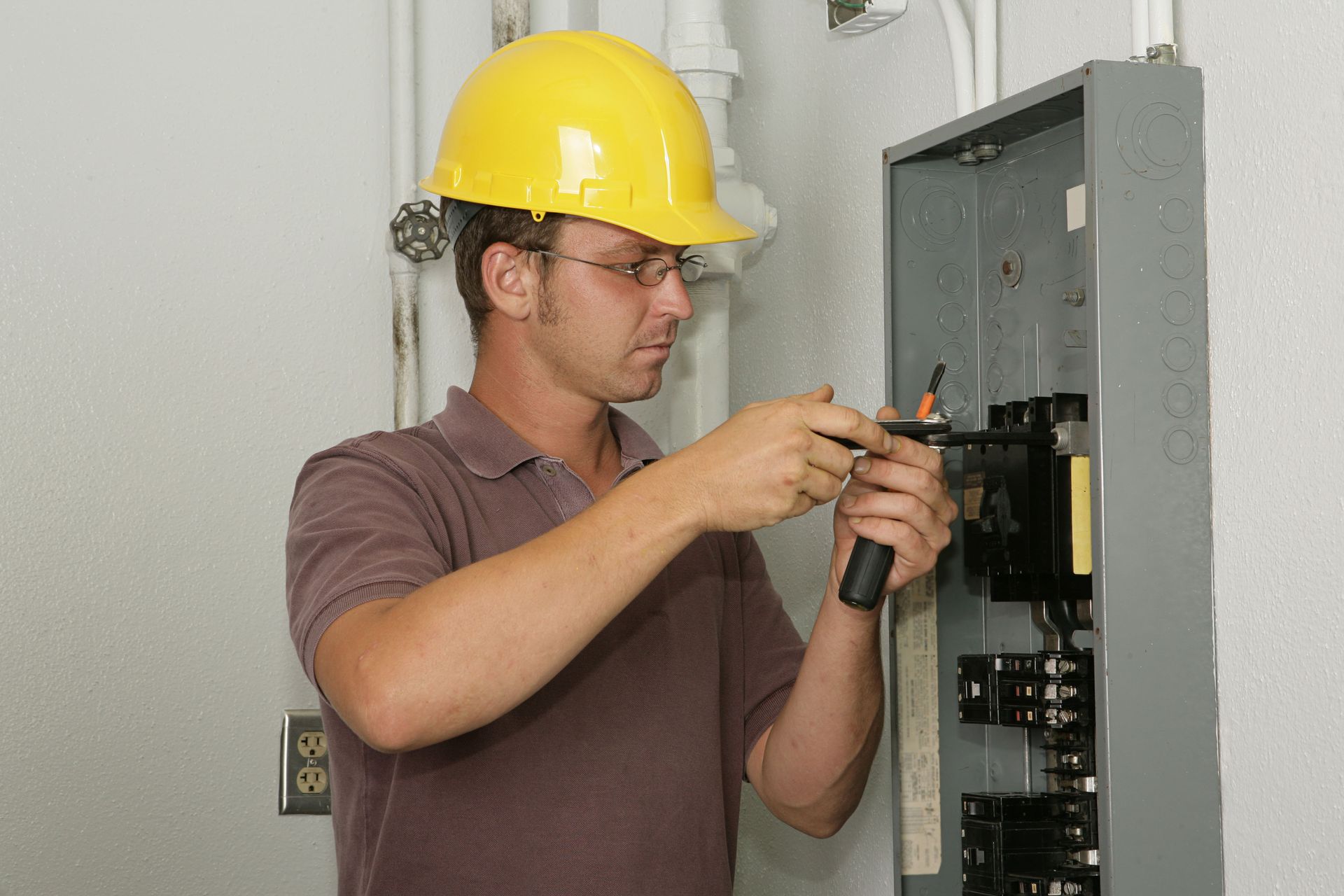
In the rapidly advancing world of technology and infrastructure, maintaining and updating electrical systems is crucial for both residential and commercial buildings. Electrical panels serve as the heart of a building's electrical system, distributing power safely and effectively. However, outdated electrical panels pose considerable risks, potentially compromising both safety and functionality.
These risks primarily include the danger of electrical fires, the threat of electrical shocks, and inefficiencies in power supply. Proper electrical panel maintenance, according to HomeAdvisor, not only enhances safety but can also help your panel last 25 to 40 years. Let's take a look at why it's important to modernize electrical infrastructure with the help of an electrical service
1. Risk of Electrical Fires
Overloaded Circuits
Outdated electrical panels often struggle to support the increasing electrical demands of modern appliances and technology, leading to overloaded circuits. When circuits are overloaded beyond their capacity, they can overheat and increase the likelihood of electrical fires. The situation is exacerbated in older homes, where electrical systems were not designed to accommodate today's power-intensive devices. Regular inspection by an electrical professional can help mitigate these risks, ensuring circuits function within safe limits. Adapting an outdated panel to modern demand with an electrical service is crucial to prevent fire hazards stemming from overloaded circuits.
Faulty Wiring
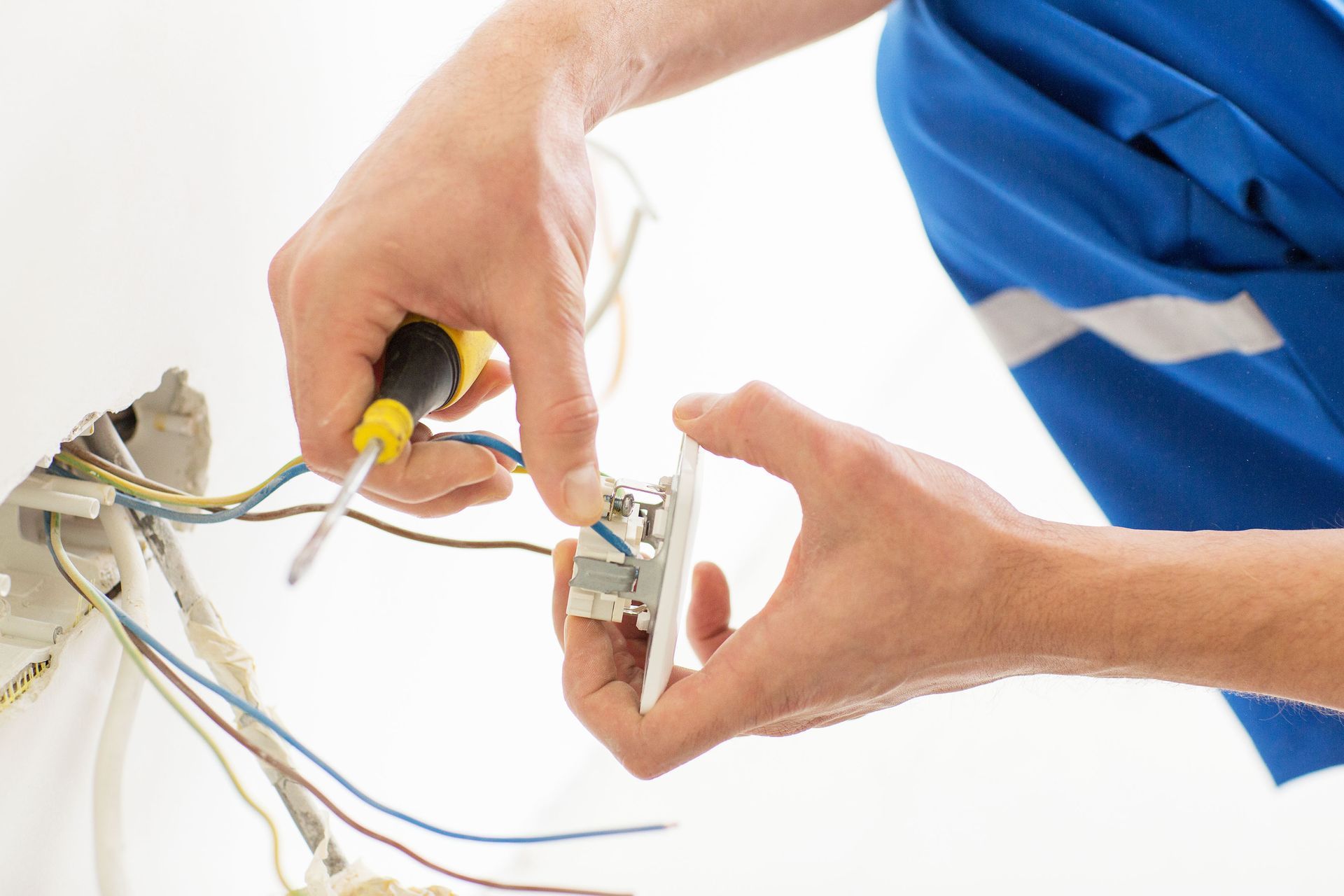
With time and usage, wiring can degrade, particularly in older electrical panels that were not initially installed with today's safety standards. Deteriorated wiring is more susceptible to shorts, which can lead to fires, especially in panels lacking fire-resistant materials. Professional inspections should occur frequently to identify and repair faulty wiring before it becomes a hazard. By staying proactive in maintaining electrical systems, property owners can significantly reduce the risk of fires due to wiring failures.
Insufficient Safety Features
Electrical safety technologies have advanced considerably, but older panels often lack crucial safety features such as integral circuit breakers. These features are designed to interrupt the power supply upon detecting a fault, reducing fire risks. Without these protective measures, outdated panels remain vulnerable to the dangers posed by electrical faults. Upgrading an electrical system to include these modern safety implementations can vastly improve safety. As part of ongoing safety procedures, building owners should consider installing these features with the help of an electrical service, providing an added layer of protection against potential fire hazards.
Defective Connections
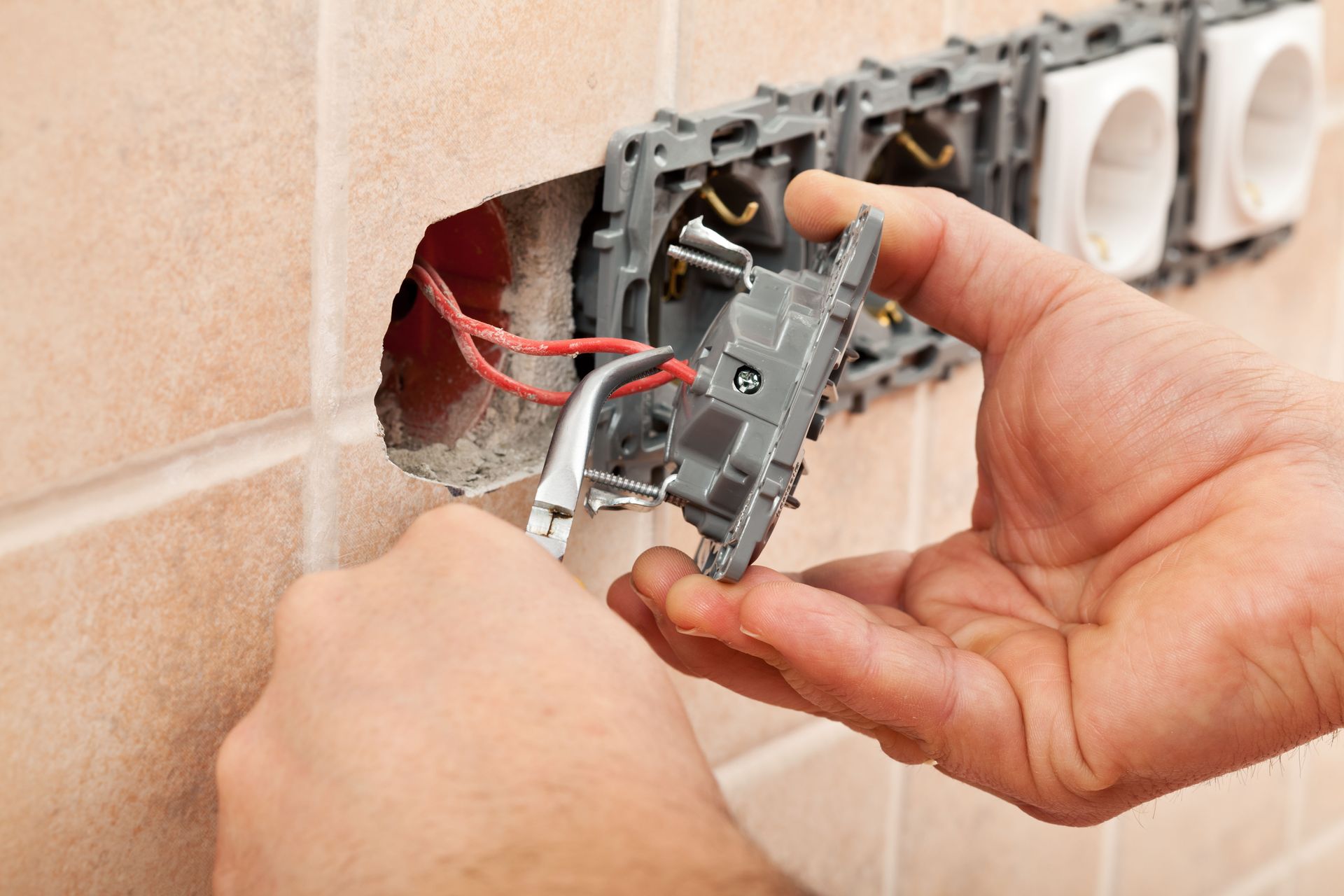
Defective, loose, or corroded connections in older panels can be a significant source of heat generation, ultimately posing a fire risk. Over time, these connections may loosen, corrode, or become defective due to exposure to environmental factors or regular wear. Loose connections generate excessive heat, which can ignite the surrounding materials, leading to electrical fires. Therefore, it's critical for property owners to have electrical connections checked and tightened periodically. Regular maintenance ensures that connections remain secure and reduces the risk of fire originating from these panel issues.
Increased Flammability of Materials
Construction materials used in older electrical panels may not meet today's fire safety standards, contributing to the potential for fires. In contrast, modern panel materials are designed with a significant emphasis on fire resistance, providing crucial protection against electrical fires. Consequently, panels made of older materials can escalate the risk of a fire spreading more rapidly. Building owners should assess the materials used in their electrical panels and consider replacements if they fall short of current safety standards. Ensuring that panels are composed of flame-resistant materials is a vital step in reducing overall fire risk.
2. Electrical Shock Hazards
Lack of Ground Fault Circuit Interrupters
Ground Fault Circuit Interrupters (GFCIs) play a critical role in preventing electrical shocks by shutting off power when an imbalance is detected in the current flow. Older panels often lack these protection devices, leaving the system vulnerable to shock hazards. GFCIs are especially important in areas where water is present, such as kitchens and bathrooms, to prevent dangerous shock incidents. Without GFCIs, users are at a higher risk of receiving a severe electric shock, especially if the panel is outdated. Upgrading the system to include these devices is a necessary measure to enhance electrical safety within buildings.
Exposed Wiring
Outdated electrical panels can reveal exposed or damaged wiring, posing severe safety risks to individuals and property. When wiring is exposed, the possibility of accidental contact increases, raising the likelihood of electrical shocks. Furthermore, exposed wiring is more susceptible to external factors such as moisture or damage, which can exacerbate the problem. Addressing exposed wiring with immediate repairs and updates to paneling can protect inhabitants from these hazards. Ensuring that all wiring is safely enclosed is a straightforward but essential step in preventing electric shocks.
Unsafe Connection Points
Poor connection points within electrical panels can create dangerous situations that facilitate accidental shock incidents. Improperly connected wires and components may allow current leakage, increasing the risk of shock. Regular inspections should include checks on all connection points, ensuring they are secure and in good condition. Addressing faulty connections promptly can significantly reduce potential shock hazards, safeguarding both building occupants and the electrical infrastructure. Implementing routine maintenance schedules helps to identify and correct these issues before they result in harm.
Inadequate Grounding
Grounding is crucial in any electrical system as it provides a safe path for excess electricity to disperse, preventing shocks and system damage. Inadequately grounded outdated panels may not effectively redirect stray currents, posing an immediate risk to users. The absence of effective grounding compromises both function and safety, making regular checks and upgrades necessary. Building owners should prioritize modernizing their grounding systems to align with current electrical safety standards. This ensures a safer environment, offering protection for both people and property from shock-associated mishaps.
Inefficiency and Power Supply Issues
Frequent Power Outages
Outdated electrical panels may lack the capacity to deliver a consistent power supply, leading to frequent power outages. These interruptions not only inconvenience occupants but can also impact sensitive electronic equipment, causing data loss or damage. Regular upgrading can improve power distribution efficiency, minimizing the occurrence of outages. To maintain optimal functionality, electrical panels should be assessed frequently and updated to handle current power demands. A proactive stance on panel maintenance is essential to ensuring uninterrupted power supply, fostering a more reliable electrical system.
Power Surges
Power surges are another risk associated with old and inefficient electrical panels, potentially causing harm to appliances and electronic devices. Surges can result from the panel's inability to moderate spikes in voltage effectively, leading to damage over time. As systems age, they should be closely monitored for signs of inefficiency, with updates implemented when necessary. Protective measures, such as surge protectors, can provide additional security, but upgrading the panel remains the most effective solution. An upgraded panel ensures a stable voltage flow, safeguarding against costly damages from power surges.
Poor Energy Efficiency
Older electrical systems often operate inefficiently, wasting energy and increasing utility costs. As homes and businesses strive for greater energy efficiency, outdated panels struggle to meet these expectations, leading to unnecessary energy consumption. Replacing an obsolete panel with a more efficient model can considerably improve energy usage, reducing costs and environmental impact. Electricians recommend evaluating the energy efficiency of an electrical panel as part of regular maintenance, ensuring it aligns with modern standards. By focusing on energy efficiency, building owners can optimize their power consumption, achieving both economic and environmental benefits.
Insufficient Circuits
A lack of sufficient circuits in old electrical panels can overload existing ones, creating inefficiencies and potential safety hazards. As homes and businesses proliferate in their use of electrical devices, the demand on circuits increases. Insufficient circuitry can strain an electrical system, resulting in unanticipated shutdowns or failures. Upgrading the electrical panel to include additional circuits can alleviate these issues, accommodating a broader range of appliances and equipment. Enhanced circuitry ensures efficient power distribution, supporting the demands of modern life while preventing overload-related challenges.
Investing in the modernization and regular maintenance of electrical panels with the help of an electrical service is far more than a routine property upgrade; it's a critical necessity for preserving safety, power efficiency, and long-term asset value. By proactively partnering with qualified electrical professionals at AAA Electric Co Inc to inspect, maintain, or replace aging panels, you can ensure compliance with modern safety standards, optimize energy consumption, and enjoy decades of dependable, worry-free power distribution. Reach out to us today