March 26, 2026
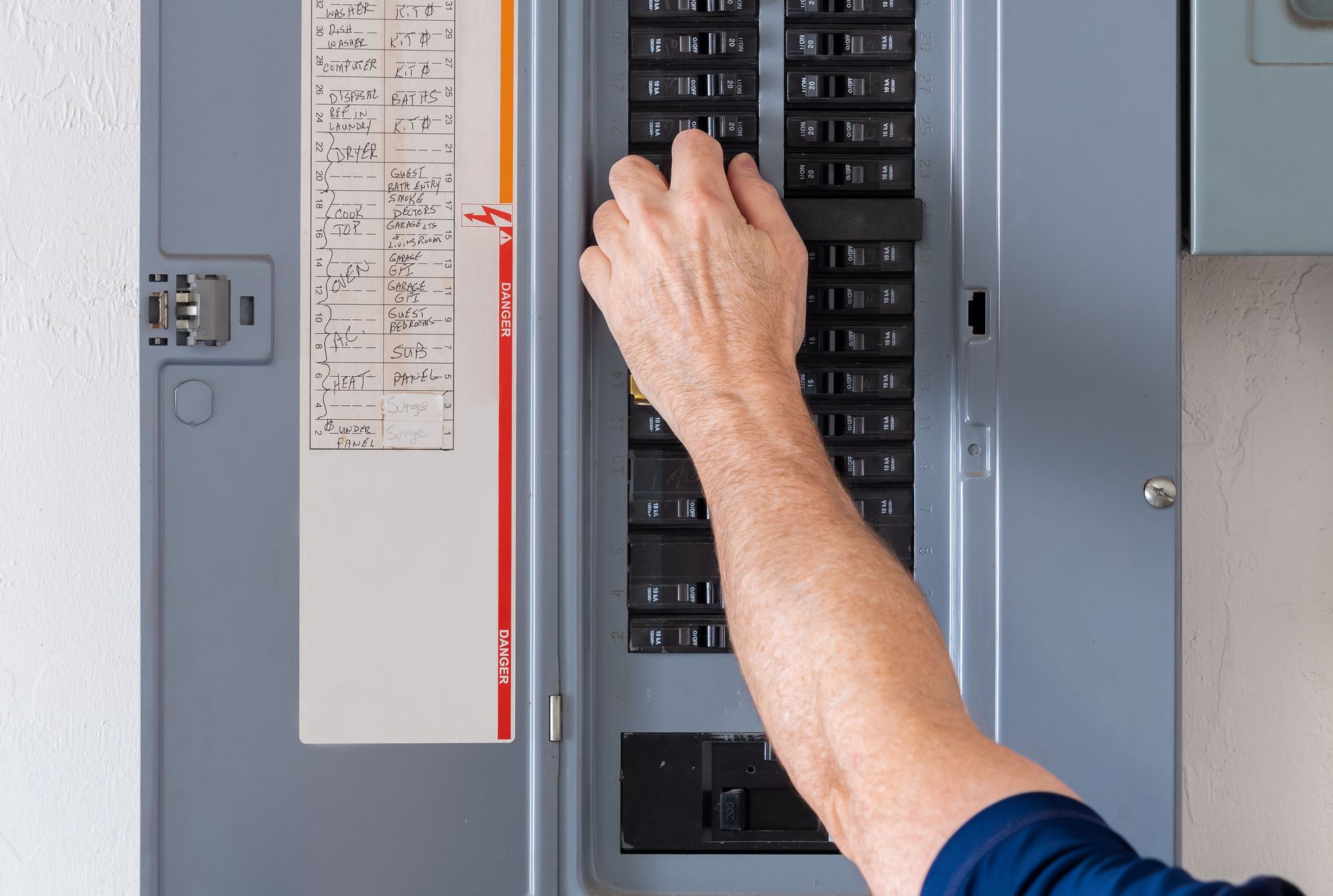
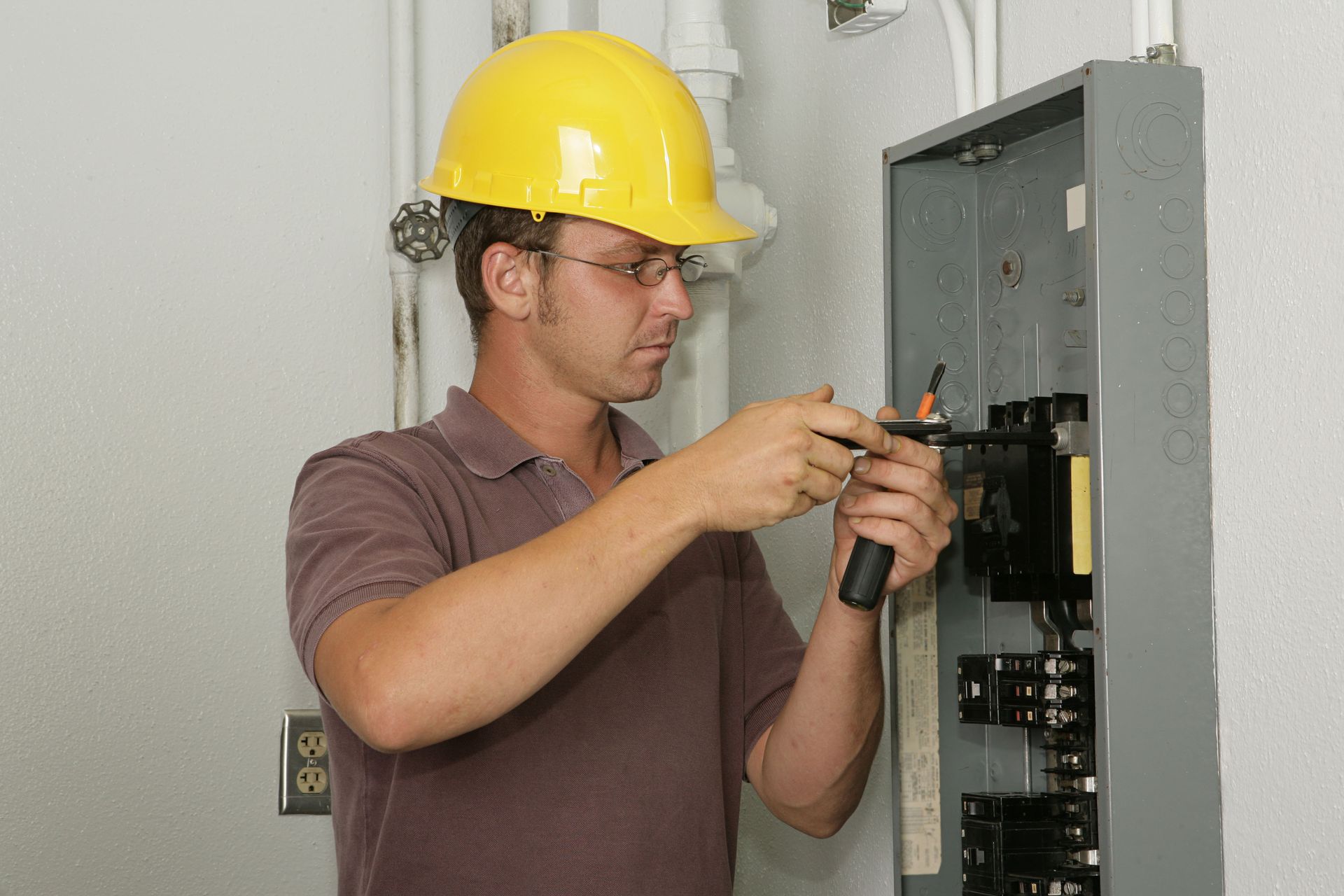
The electrical panel, often called the breaker box, is the heart of your home's electrical system. Over time, as household electricity demands grow, older panels can struggle to keep up — creating safety risks and inefficiencies that should not be ignored. Knowing when it is time for a replacement is one of the most important things a homeowner can do to protect their property and everyone in it. A qualified residential electrician can help you evaluate your panel's condition and determine whether an upgrade is the right move.
Watch for Frequent Circuit Breaker Trips
One of the most telling signs that your electrical panel may need replacing is when circuit breakers trip on a regular basis. This typically happens when too much electrical demand is placed on a single circuit, forcing the breaker to shut off as a protective measure. While an occasional trip is normal, frequent occurrences suggest that your panel is struggling to handle your home's current load. Repeated tripping can also cause circuits to overheat, which raises the risk of electrical fires over time.
Older breakers compound this problem by being less reliable and more prone to tripping even under normal conditions. Homes that still use fuse boxes or aging panel systems are especially vulnerable to this issue, as these technologies were not designed to meet the demands of modern electrical use. Short circuits caused by faulty wiring, damaged insulation, or defective appliances can further strain an already overtaxed panel. A residential electrician can assess whether these trips are a symptom of a panel that has simply reached the end of its useful life and needs to be replaced with a safer, more capable system.
Recognize the Signs of Age and Wear
Electrical panels are not designed to last forever, and age alone can be a strong indicator that a replacement is overdue. As a panel ages, its internal components gradually degrade, leading to reduced efficiency and increased safety risks. Visible signs of wear — such as corrosion, burnt marks, or scorch marks on or around the panel — are red flags that should never be ignored. Burnt marks in particular indicate overheating, which is a serious fire hazard that warrants immediate attention from a residential electrician.
Outdated panel technology is another concern that goes hand in hand with age. Modern panels are equipped with advanced safety features, including surge protection and more sophisticated circuit breakers, that older models simply do not have. Some older panels have even been subject to manufacturer recalls due to known defects, making replacement not just advisable but potentially urgent. If replacement parts for your panel model are difficult to source because the manufacturer has discontinued them, that is a strong signal that upgrading to a current system is the most practical and reliable path forward.
Identify Symptoms of Insufficient Power Supply
A panel that cannot adequately supply power to your home will make itself known in several frustrating ways. Flickering or dimming lights are a common early indicator, often pointing to an underlying issue with the panel's ability to manage modern electrical loads consistently. Large appliances that struggle to operate at full capacity — or that cause lights to dim when they cycle on — suggest that the panel is being pushed beyond what it was designed to handle. Left unaddressed, these power inconsistencies can shorten the lifespan of your appliances and damage sensitive electronics.
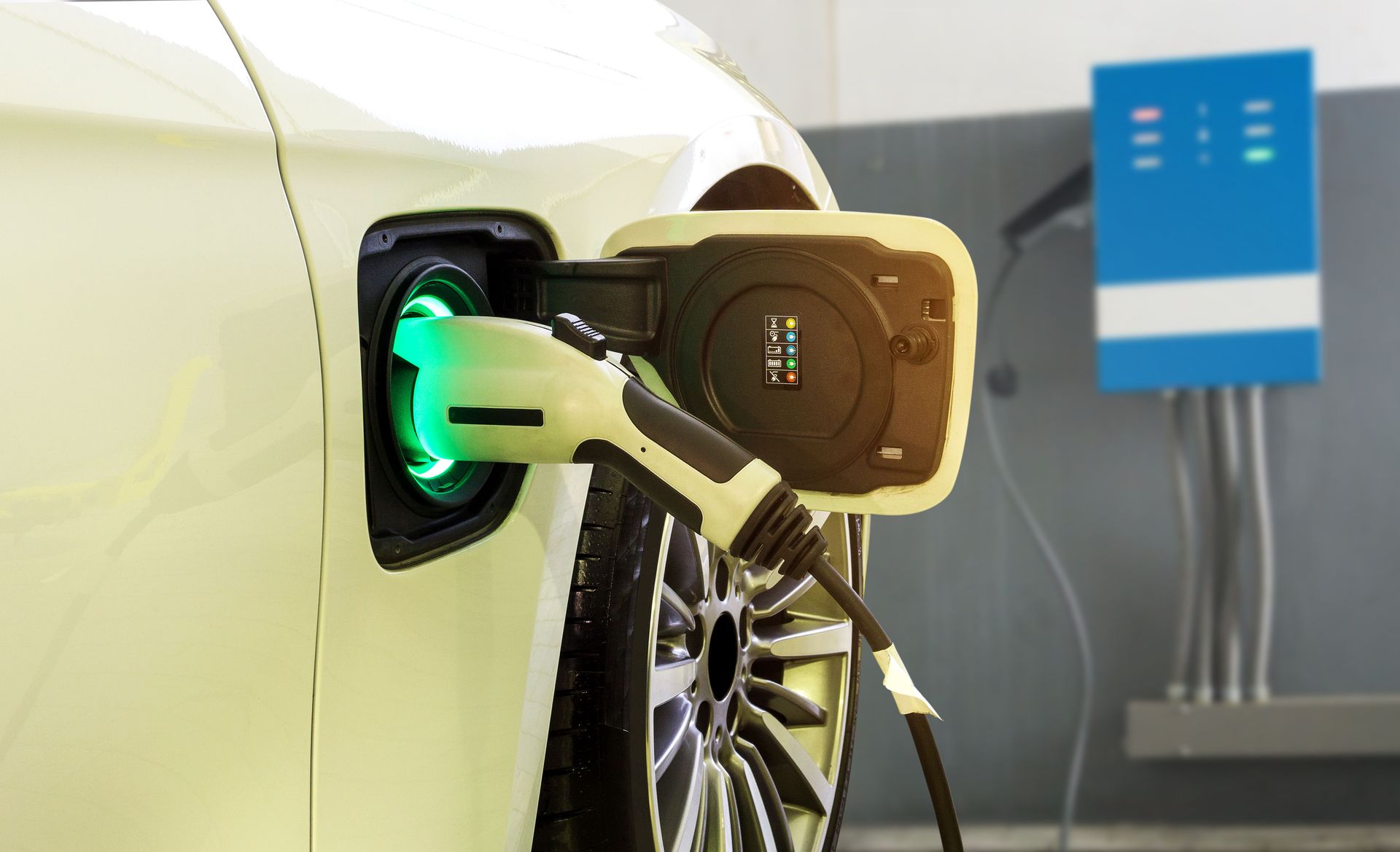
Home expansions and renovations also place new demands on electrical panels that were sized for smaller, simpler households. Adding rooms, upgrading kitchens, or installing new systems such as EV chargers or home offices can push an older panel past its limits. According to Rewiring America, roughly 60% to 70% of American homes have electrical panels rated below 200 amps, meaning a significant portion of households may already lack the capacity needed to support full home electrification. If your panel has no room for additional circuits or cannot reliably power the devices your household depends on, consulting a residential electrician about a replacement should be a priority.
Take Burning Smells and Scorch Marks Seriously
A burning smell coming from your electrical panel is never something to dismiss or investigate on your own. This type of odor is most commonly caused by wires overheating due to an overloaded or malfunctioning panel, and it represents a genuine fire risk. Melted wire insulation, which results from prolonged exposure to excessive heat, is another serious warning sign that the panel is no longer functioning safely. These issues tend to worsen over time if the underlying panel problem is not addressed, increasing the danger to your home and everyone in it.
Scorch marks on the panel itself or on the wall surrounding it are physical evidence that overheating has already occurred. Faulty or aged wiring within older panels is a common contributor to these conditions, as outdated systems were not built to manage the electrical demands of contemporary households. Failing internal components can also overheat and leave behind visible damage that signals the panel is at serious risk of a critical failure. In any of these situations, reaching out to an electrician promptly is essential — these are not warning signs that can safely wait.
Listen for Unusual Buzzing or Humming Sounds
Electrical panels should operate quietly. If yours is producing buzzing, humming, or crackling sounds, that noise is communicating that something is wrong. Loose connections are a frequent culprit, disrupting the smooth flow of electrical current and causing the kind of irregular conduction that leads to overheating and panel damage.
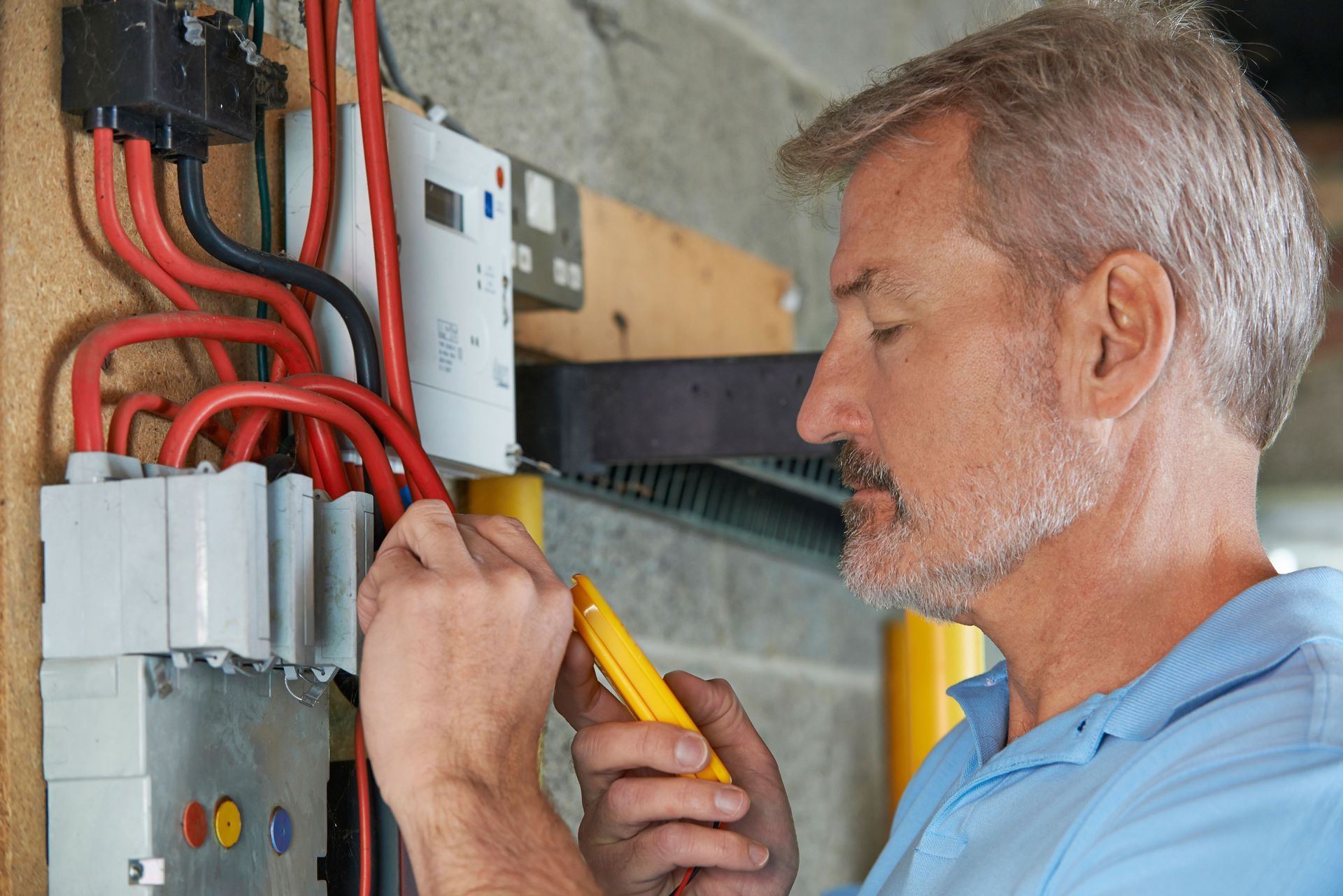
Aging breakers whose internal components have worn down over time may also buzz as they struggle to manage current safely. If multiple breakers within the same panel are producing noise or failing, that pattern is a strong indication that the panel as a whole has deteriorated beyond the point where individual component repairs are practical. A residential electrician can inspect the panel thoroughly, identify the source of the noise, and advise whether targeted repairs or a full replacement is the more appropriate solution for your situation.
Update Panels That Fail Modern Safety Standards
Safety standards for residential electrical systems have evolved considerably over the decades, and panels that predate these updates may lack protections that are now considered essential. Ground Fault Circuit Interrupters (GFCIs) and Arc Fault Circuit Interrupters (AFCIs) are two examples of safety features that have become standard in modern installations. GFCIs protect against electrical shock by breaking the circuit when current irregularities are detected, while AFCIs guard against fires by identifying dangerous arcing conditions before they escalate. Older panels that do not include these features leave households exposed to risks that are entirely preventable with a modern upgrade.
Non-compliance with current electrical codes is another issue that older panels frequently present. Panels that do not meet today's standards can complicate homeowner's insurance claims, create obstacles during home sales, and pose ongoing safety risks to occupants. Failing an electrical inspection is a particularly clear signal that action is needed. A residential electrician can review your panel against current code requirements, identify any deficiencies, and guide you through the process of bringing your system into compliance. Staying current with safety standards is not just a regulatory requirement — it is a fundamental part of responsible homeownership.
If you are ready to have your electrical panel evaluated by an experienced residential electrician, contact us at AAA Electric Co. Inc. today. We will help you determine the best path forward and ensure your home's electrical system is safe, reliable, and built to meet your needs.