July 20, 2026
Flickering lights and power surges can seem like minor inconveniences at first, but they may point to deeper electrical issues that need attention. A light that dims when an appliance turns on, an outlet that stops working, or electronics that reset unexpectedly can all signal strain within an electrical system. While some problems may be isolated, others can create safety risks or damage valuable equipment if they are ignored. Because electricity powers nearly every part of daily life, even small warning signs should be taken seriously.
Modern homes rely on electricity for lighting, heating and cooling equipment, kitchen appliances, entertainment devices, computers, security systems, and more. According to the EIA, the typical U.S. household uses approximately 10,500 kilowatt-hours (kWh) of electricity annually. With that much demand placed on wiring, panels, outlets, and circuits, problems can develop over time. Knowing when to call for electrical services can help homeowners protect their property, improve reliability, and reduce the risk of more serious electrical hazards.
Identifying Frequent Light Flickering
Occasional flickering may happen when a powerful appliance starts up, but frequent or widespread flickering should not be ignored. If lights dim, brighten, or pulse regularly, there may be a loose connection, an overloaded circuit, a faulty fixture, or an issue within the electrical panel. These problems can become more serious if they are not evaluated by a qualified professional. Prompt attention can help prevent additional strain on the electrical system while reducing the likelihood of unexpected outages or more extensive repairs in the future.
Flickering that affects multiple rooms may be especially concerning because it can suggest a larger system issue rather than a single bulb or fixture problem. Homeowners should also pay attention to flickering lights that occur with buzzing sounds, burning smells, or warm switches. These warning signs can indicate unsafe conditions that require prompt electrical services to diagnose and correct the source of the problem. Identifying these issues early can improve household safety and help restore consistent, dependable power throughout the home's electrical system.
Recognizing Repeated Power Surges
A power surge happens when the voltage rises above the normal level flowing through an electrical system. Surges can be caused by storms, utility issues, faulty wiring, or large appliances cycling on and off. While a single brief surge may not seem serious, repeated surges can slowly damage electronics, appliances, and internal electrical components. Over time, this repeated stress may shorten the lifespan of valuable household equipment and result in unexpected repair or replacement expenses for homeowners.
Signs of repeated surges may include blinking clocks, devices that shut off unexpectedly, damaged chargers, or electronics that stop working sooner than expected. Surge protectors can help, but they do not solve the source of the issue. If power surges happen often, a professional inspection can determine whether the problem is related to wiring, grounding, circuits, or the service panel. Identifying the underlying cause early helps reduce the risk of continued electrical damage while improving the overall reliability of the home's electrical system.
Noticing Warm Outlets or Switches
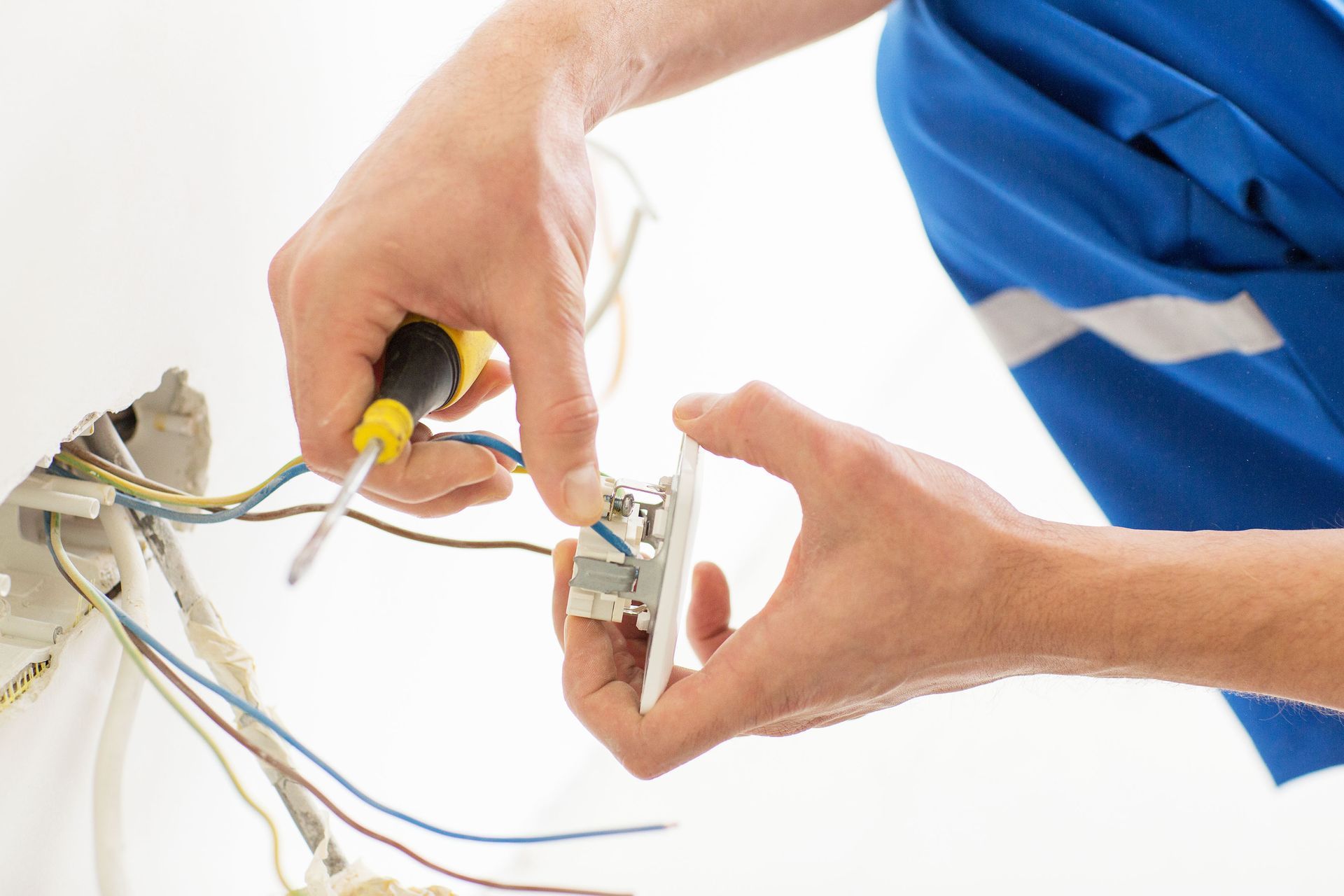
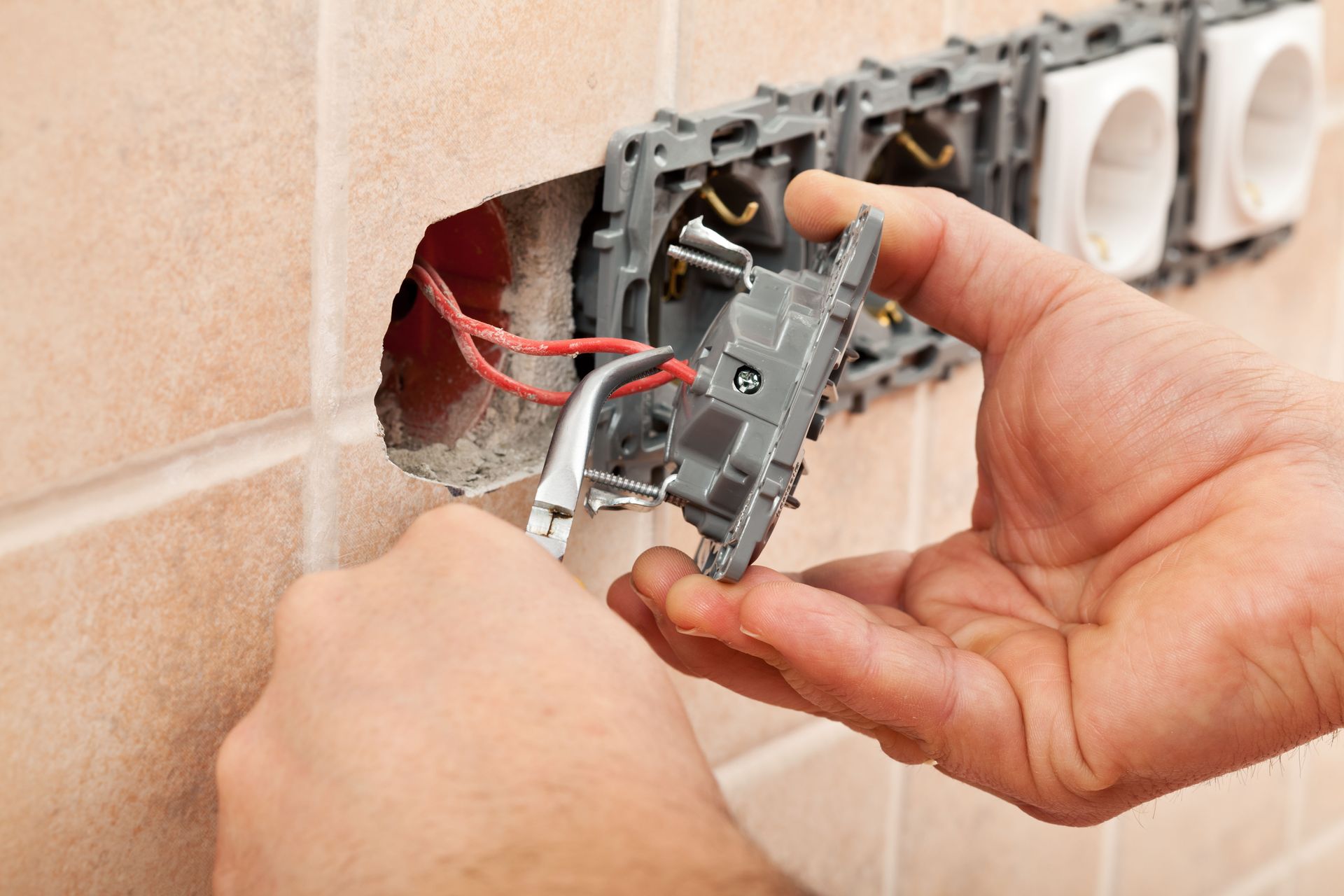
Outlets and switches should not feel hot during normal use. Slight warmth may occur with certain dimmer switches, but noticeable heat, discoloration, melted plastic, or a burning odor can point to a serious concern. Heat may be caused by loose wiring, overloaded circuits, damaged outlets, or poor connections behind the wall.
Warm outlets should be handled carefully because they may increase the risk of an electrical fire. Homeowners should stop using the affected outlet or switch and avoid plugging in additional devices until it has been inspected. Professional electrical services can identify the cause of the heat, replace damaged components, and help restore safe operation.
Investigating Tripped Breakers
Circuit breakers are designed to shut off power when a circuit becomes overloaded or unsafe. An occasional tripped breaker may happen when too many high-demand devices are used at once. However, breakers that trip repeatedly are a sign that something needs attention. The issue may involve overloaded circuits, faulty appliances, short circuits, or wiring problems.
Resetting a breaker without understanding why it tripped can allow the problem to continue. If the same breaker trips again and again, a professional should evaluate the circuit and connected devices. This helps prevent overheating, equipment damage, and unsafe electrical conditions. Breaker issues are often a clear sign that a home may need updated wiring, panel work, or circuit improvements.
Addressing Buzzing Sounds or Burning Smells
Electricity should operate quietly and without odor. Buzzing, crackling, sizzling, or humming sounds coming from outlets, switches, fixtures, or the electrical panel can indicate loose connections, arcing, or failing components. Burning smells are even more concerning because they may mean insulation, wiring, or plastic components are overheating.
These warning signs should never be ignored or covered up with temporary fixes. If a burning odor or unusual sound appears, homeowners should turn off power to the affected area if it is safe to do so and call a professional. Prompt electrical services can help locate the hazard and complete the needed repairs before the issue becomes more dangerous.
Evaluating Outdated Electrical Panels
An older electrical panel may not be able to support the needs of a modern home. Today's households often use more electronics, appliances, charging devices, and high-demand equipment than older systems were designed to handle. If a panel is outdated, undersized, damaged, or frequently overloaded, it may struggle to distribute power safely and reliably.
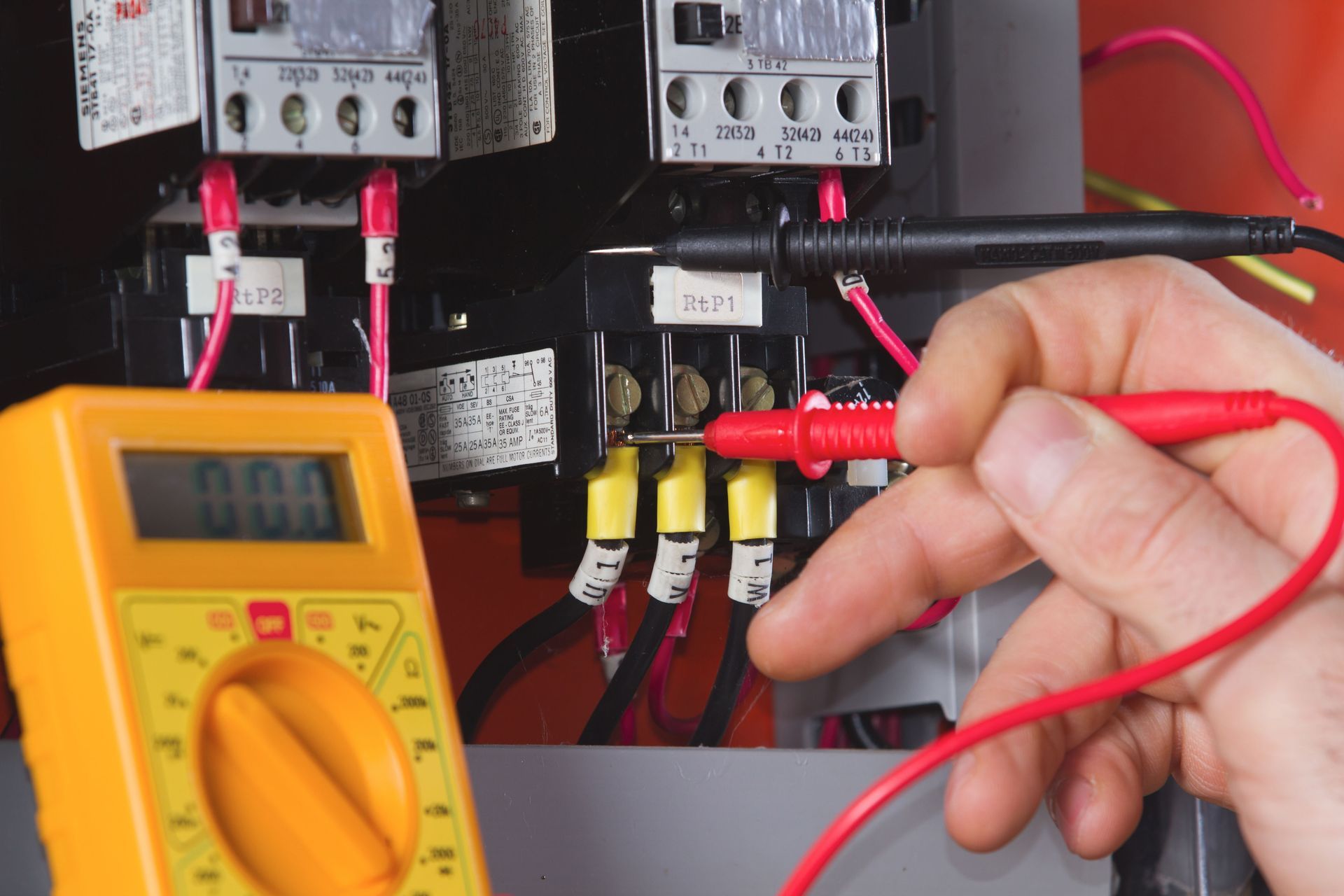
Warning signs of panel problems can include frequent breaker trips, flickering lights, buzzing near the panel, rust, scorch marks, or a lack of available circuits. A professional can inspect the panel and determine whether repairs, upgrades, or replacement may be needed. Updating the panel can improve performance, support modern electrical needs, and help reduce preventable safety concerns.
Protecting Appliances and Electronics
Power instability can shorten the lifespan of appliances and electronics. Refrigerators, computers, televisions, HVAC equipment, washers, dryers, and smart home devices can all be affected by voltage changes. Even small surges may cause gradual internal damage that is not immediately visible. Over time, this can lead to expensive replacements or unreliable performance.
Whole-home surge protection, proper grounding, dedicated circuits, and professional inspections can help protect valuable equipment. These solutions are especially helpful for homes with frequent storms, older wiring, or many sensitive electronics. As part of comprehensive electrical services, a qualified electrician can recommend the right approach based on the home's electrical system and the types of devices being used.
Scheduling Preventive Electrical Inspections
Homeowners do not have to wait for a major problem before scheduling an inspection. Preventive inspections can uncover loose connections, outdated wiring, overloaded circuits, damaged outlets, and other concerns before they lead to disruptions or hazards. This is especially important for older homes, recently purchased properties, or homes with frequent electrical symptoms.
Regular inspections also provide peace of mind. A professional can explain the condition of the system, identify areas that may need improvement, and recommend practical solutions. By scheduling electrical services before problems escalate, homeowners can support safer, more reliable power throughout the home and avoid unexpected repair emergencies.
Flickering lights, repeated power surges, warm outlets, tripped breakers, buzzing sounds, burning smells, outdated panels, and damaged electronics are all signs that an electrical system may need professional attention. Addressing these issues early can help protect the home, reduce safety risks, and improve the reliability of everyday power use. Electrical problems are not something homeowners should guess about or ignore, especially when warning signs appear repeatedly. For dependable inspections, repairs, upgrades, and electrical services, contact AAA Electric Co Inc.