July 2, 2026
Electrical problems are often underestimated, leading to serious neglect that compromises safety. Properties, whether homes or businesses, depend heavily on a stable electrical supply for both essential and non-essential functions. Recognizing the potential dangers associated with electrical problems demands informed vigilance. Educating oneself and contacting a certified electrician about these warning signs is pivotal for ensuring the safety and efficiency of electrical systems.
1. Frequent Circuit Breaker Trips
1.1 Understanding the Root Cause
Frequent circuit breaker trips are often a telltale sign of underlying electrical issues. This occurrence indicates that the electrical circuit is drawing more current than it can handle. It's a built-in security feature that prevents potential hazards, but recurring trips should not be ignored. Understanding the root cause is essential to address the issue effectively. These trips are often caused by overloaded circuits, short circuits, or grounding issues that need immediate attention.
An overloaded circuit is one common reason behind frequent breaker trips. This happens when too many devices or appliances draw power from the same circuit simultaneously. Overloading can cause overheating and damage to the electrical wiring if unaddressed. It's crucial to distribute the electrical load evenly across multiple circuits to prevent repeated disruptions. Ensuring that circuits are not overwhelmed by excessive demands is a key step in maintaining electrical safety.
Professional assistance from a certified electrician is invaluable when dealing with frequent circuit breaker trips. Electricians are trained to diagnose and resolve electrical issues efficiently. According to Zippia, there are currently over 442,261 electricians employed in the United States, showcasing their widespread availability and expertise. Ignoring frequent breaker trips can lead to more serious problems, such as electrical fires. Therefore, engaging professional help is crucial to ensure long-term safety and functionality of electrical systems.
2. Flickering or Dimming Lights
2.1 Common Causes of Flickering Lights
Flickering or dimming lights may seem like minor nuisances, but they can indicate serious electrical concerns. These fluctuations in lighting are typically caused by loose or poor electrical connections. Common culprits include faulty switches, worn-out fixtures, or even faulty wiring. Understanding the underlying causes is essential in preventing potential electrical failures. Addressing these issues promptly can ensure a stable and consistent lighting environment in your property.
Loose wiring is a frequent cause of flickering lights, which poses a significant safety hazard. These unsecured connections can create intermittent contact, resulting in fluctuations in light intensity. Beyond being a mere inconvenience, loose wiring increases the risk of short circuits and electrical fires. It's essential to inspect and secure all connections to prevent hazardous situations. A certified electrician has the expertise to identify and rectify such issues efficiently.
3. Discolored or Warm Wall Outlets
3.1 Identifying the Signs of Heat Damage
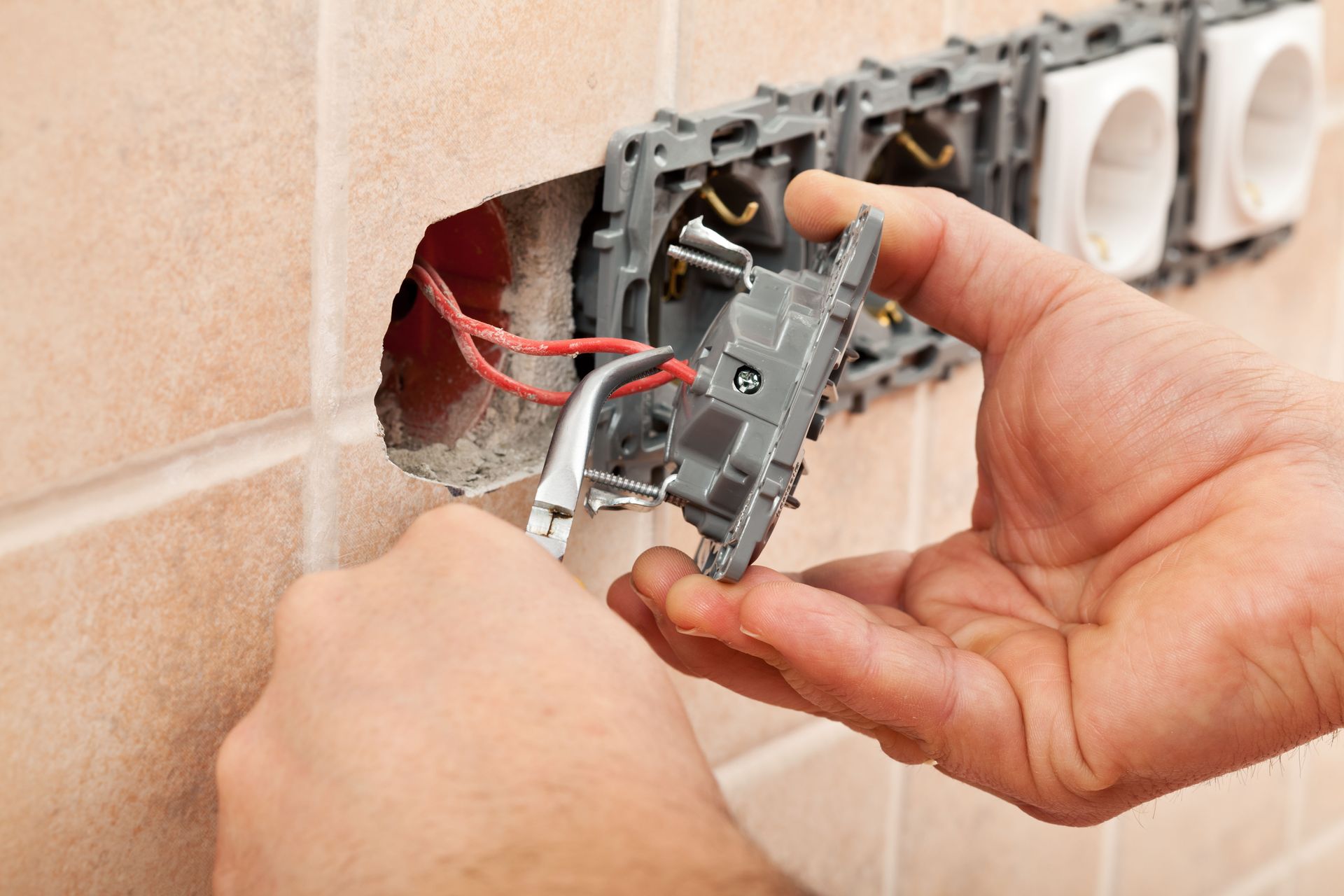
Discolored or warm wall outlets are clear indicators of potential electrical problems. The presence of scorch marks, discoloration, or excessive heat are signs of underlying issues. Heat damage often results from loose connections or overloaded circuits within the outlet itself. This can cause the outlet to overheat, leading to melting or burning of its components. Detecting these signs early can prevent further damage and mitigate electrical hazards.
Risks associated with discolored outlets should not be underestimated. These outlets can potentially cause electrical shocks, fires, or damage to connected devices. Heat buildup within an outlet signifies that it cannot effectively handle the electrical load. It's essential to stop using the outlet immediately and assess the cause of the problem to prevent further complications. Ignoring these signs increases the potential for severe electrical accidents to occur.
Ensuring proper outlet usage and safety can minimize the occurrence of heat damage. Avoiding overloading outlets with multiple high-power devices is a simple yet effective strategy. It's also important to inspect the condition of outlets regularly and replace any worn or damaged ones. If discoloration or excessive heat persists, it's advisable to consult with a licensed electrician. Corrective measures not only protect the outlet but also safeguard your home from potential electrical fires.
4. Buzzing or Crackling Sounds
4.1 Recognizing Abnormal Sounds
Buzzing or crackling sounds emanating from electrical outlets or devices indicate an abnormality with the electrical flow. These noises are typically audible signs of electrical arcing or defective connections. Recognizing these sounds should prompt immediate investigation to avoid potential hazards. Abnormal sounds can occur due to loose wires, faulty appliances, or even damaged circuits. Addressing these issues promptly is vital in maintaining electrical safety.
Potential causes of electrical noise include loose wiring or connections that disrupt the normal flow of electricity. Such disturbances can cause electrical sparks or arcs, leading to noise generation. Over time, these conditions can degrade the integrity of the wiring and pose a fire risk. Regular inspection and maintenance can help identify and correct these issues before they escalate further. Professional electricians can pinpoint the source of the sound and resolve it effectively.
Risk assessment and hazard prevention are critical steps when dealing with buzzing or crackling sounds. Ignoring these noises could result in dangerous electrical shocks or fires. Property owners should be mindful of any sound anomalies and investigate them without delay. Immediate actions, such as shutting off the power and consulting an electrician, can prevent dire consequences. Prompt attention to such warning signs is essential in averting potentially life-threatening situations.
5. Burning Odor from Outlets or Appliances
5.1 Identifying the Source of the Odor
A burning odor emanating from outlets or appliances is a significant red flag that demands immediate attention. This odor typically results from overheating, melted components, or burning insulation. Identifying the source of the smell is crucial in preventing further damage and danger. It's advisable to switch off the power supply to the affected area and seek a certified electrician without delay. Electrical fires caused by unchecked burning odors are a real and present danger.
Understanding electrical burn risks is crucial in addressing this issue effectively. When electrical components overheat, the increased temperature can ignite nearby materials such as plastic or insulation. This not only generates a burning odor but also increases the risk of an actual fire breaking out. Understanding these risks underscores the importance of swift and decisive action. A proactive approach can significantly reduce the likelihood of catastrophic outcomes.
6. Sparking or Arcing Outlets
6.1 Recognizing Sparking Problems
Sparking or arcing outlets pose serious threats to electrical safety that demand immediate attention. These issues occur when an electrical current crosses a gap between two conductive materials. Recognizing sparking problems involves observing sudden flashes or sparks near outlets or appliances. Such occurrences indicate compromised connections that could potentially lead to electrical fires. Taking preventative measures and addressing these problems promptly can avert dangerous situations.
The dangers of electrical arcing cannot be understated. Arcing generates intense heat that can ignite nearby flammable materials, leading to rapid fire propagation. Furthermore, it can cause severe damage to electrical components and devices connected to the affected outlet. The risk of electrocution is also present, further emphasizing the need for swift action. Recognizing these dangers highlights the importance of vigilance and intervention in ensuring electrical safety.
Implementing the strategies outlined in this article can significantly reduce the risk of electrical hazards. Frequent circuit breaker trips, flickering lights, discolored outlets, buzzing sounds, burning odors, and sparking outlets are all signs that require immediate action. Addressing these issues with the support of professionals can mitigate potential dangers. As such, property owners should remain vigilant and responsive to any electrical abnormalities. For excellent services from a
certified electrician, please get in touch with AAA Electric Co Inc.